
How Much Weight Should a Dog Lose Per Week?
A safe target is about one to two percent of body weight per week. For a fifty-pound dog that is roughly half a pound to one pound weekly. Faster loss risks muscle loss and rebound; slower loss often stalls. Weigh every one to two weeks and adjust calories to stay in that band.
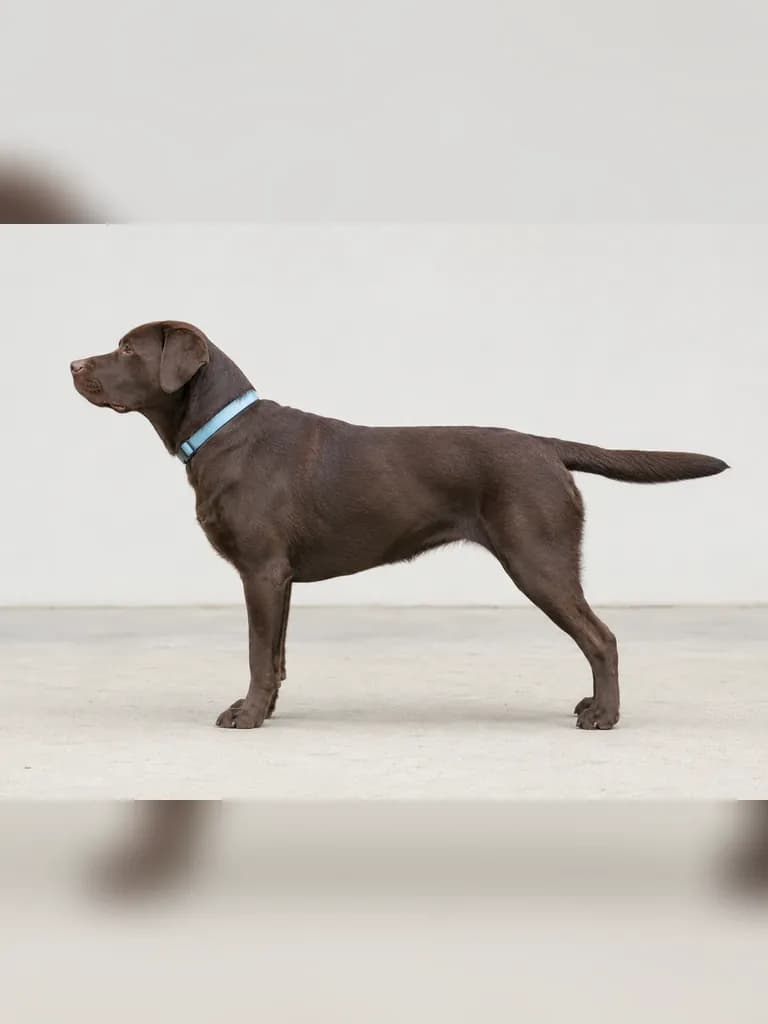
How much weight should a dog lose each week?
Aim for a weekly weight-loss rate of 1 to 2 percent of body weight. That range is the standard objective in canine weight-loss programs (canine weight-loss review, PMC). It is fast enough to reach a healthy weight in a reasonable time, but slow enough to preserve muscle and avoid the rebound that follows crash diets. Weight loss should be gradual and prolonged to protect lean mass (hypocaloric-diet meta-analysis, PMC).
What does 1–2% per week look like in pounds?
Translate the percentage to your dog's current weight so you have a concrete weekly target.
| Current weight | 1%/week | 2%/week | Sensible weekly target |
|---|---|---|---|
| 15 lb | 0.15 lb | 0.30 lb | ~0.2–0.3 lb |
| 30 lb | 0.30 lb | 0.60 lb | ~0.3–0.6 lb |
| 50 lb | 0.50 lb | 1.0 lb | ~0.5–1.0 lb |
| 80 lb | 0.80 lb | 1.6 lb | ~0.8–1.5 lb |
These are small numbers, which is the point. Healthy weight loss is undramatic week to week and only obvious over months.
Why not lose it faster?
Because speed costs muscle. Very aggressive calorie restriction drives the body to break down lean tissue along with fat, which lowers metabolism and makes the weight easier to regain. The evidence favors a slow, sustained deficit with a higher-protein diet to spare muscle over a crash. Rapid, unsupervised dieting also carries medical risk and should only be done with a vet.
How do I actually hit the target?
- Set the calorie number. Estimate resting energy requirement from ideal weight — RER = 70 × (kg)^0.75 — and feed a deficit below maintenance (WSAVA energy chart). Our dog calorie calculator does this and how we calculate shows the steps.
- Weigh the food, not scoop it. The measuring cup is the most common reason a plan stalls.
- Keep treats under 10% of calories and count them.
- Weigh the dog every 1–2 weeks on the same scale and adjust.
Monitoring is not optional. In one program, 64.4% of dogs missed the target weekly rate, and the difference between success and failure was almost entirely whether owners followed the plan (canine weight-loss review, PMC).
When to involve your vet
If your dog is more than about 20% over ideal, has a health condition, or stalls despite a genuinely measured intake, build the plan with your vet. To find your starting point, use our body condition check, and if your dog seems constantly starving on the diet, read why your dog is always hungry on a diet.
Sources
Frequently asked questions
Is losing weight faster than 2% per week bad?
Usually yes. Rapid loss tends to burn muscle alongside fat and rebounds once feeding normalizes. Aggressive restriction should only happen under veterinary supervision.
My dog isn't losing weight at all. What now?
Recount every calorie including treats and weigh, don't scoop, the food. Most stalls are unmeasured intake. If a genuinely restricted intake still stalls, ask your vet about the plan.
Put this into practice
Check if your dog is overweight from a photo →Curious how the numbers work? See how we calculate.
This article is educational and is not veterinary advice. For a diagnosis or a treatment plan, consult a licensed veterinarian who can examine your pet.