
Senior Cat Losing Weight but Eating? What It Means
A senior cat losing weight despite a good or big appetite is a red flag, not normal aging. The most common causes are hyperthyroidism and diabetes, both common in older cats and both treatable. See a vet for a physical exam and blood and urine tests rather than simply feeding more.
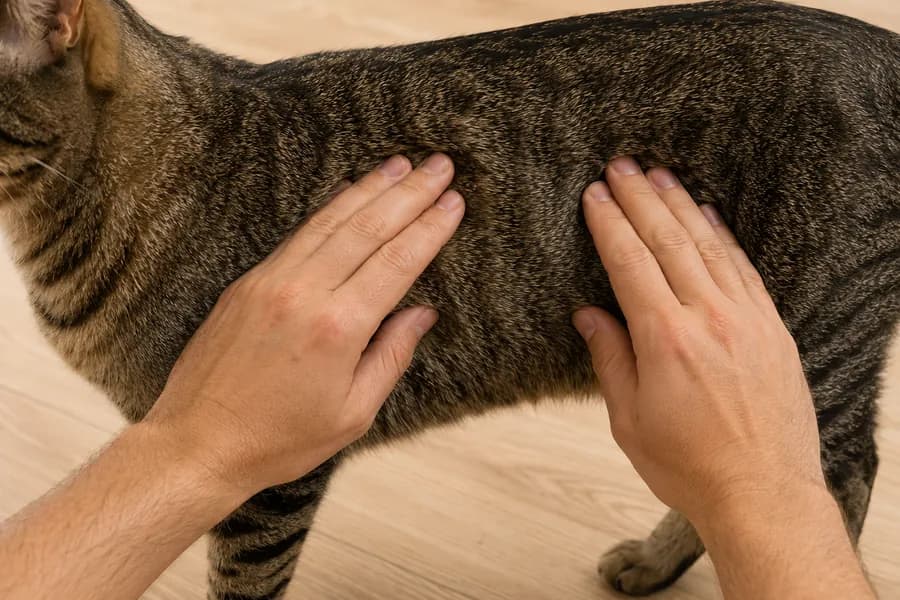
Should I worry if my senior cat is losing weight but eating well?
Yes. Weight loss combined with a normal or increased appetite is one of the more useful warning signs in feline medicine, because it points at diseases where the body can't properly use the calories it takes in. This is not normal aging, and the fix is not more food — it's a diagnosis.
What causes weight loss with a good appetite in older cats?
Two conditions dominate, and both are common and treatable:
Hyperthyroidism. An overactive thyroid speeds metabolism so the cat burns through calories and loses weight despite eating more. Cornell lists the classic picture directly: "The most common clinical signs of hyperthyroidism are weight loss, increased appetite, and increased thirst and urination," and notes it "mostly afflicts cats middle-aged and older" (Cornell Feline Health Center). It's diagnosed with a blood test and is very manageable.
Diabetes mellitus. When cells can't take up glucose, the body loses calories in the urine and breaks down fat and muscle — weight loss with a hearty appetite, plus increased drinking and urination. Obesity is the major risk factor for feline diabetes, so a previously chubby cat that starts slimming without a diet is a particular concern (feline metabolic review, PMC).
Other causes include kidney disease, intestinal disease, and cancer, which is why this always warrants an exam rather than guesswork.
| Sign alongside weight loss | Points toward | Action |
|---|---|---|
| Big appetite, thirst, restlessness | Hyperthyroidism | Vet exam + thyroid blood test |
| Big appetite, heavy drinking/urinating | Diabetes | Vet exam + blood/urine glucose |
| Poor appetite, drinking a lot | Kidney disease | Vet exam + blood/urine tests |
| Vomiting, diarrhea | GI disease | Vet exam |
What should I do?
Book a veterinary visit and expect a physical exam plus blood and urine tests — that panel catches the common causes. Bring a home weight history if you have one, because a documented downward trend is powerful evidence. Track weight with a baby scale, the same tool used for feline body-condition monitoring (Cornell Feline Health Center).
Do not respond by simply feeding more; that masks the trend without treating the cause. This article is educational and not a diagnosis — the point is to get your cat seen.
To learn the home body-condition method, read is my cat overweight, and see how we calculate for how weight and condition fit together.
Sources
Frequently asked questions
My old cat eats constantly but is getting bony. Why?
Eating more while losing weight is a classic sign of hyperthyroidism or diabetes. The body cannot use the calories properly. This needs a vet exam and blood work, not just extra food.
Is weight loss just normal in old cats?
Some muscle loss with age is normal, but visible, ongoing weight loss is not. Unplanned loss of more than a small fraction of body weight warrants a veterinary check.
Cats, not yet
PawAI is built for dogs. The feline side exists under the hood (energy, body condition, toxic foods), but the growth plan and the training program come from canine guidance, and serving those for a cat would sell you as protocol something that isn't one for their species.
Put this into practice
Check if your dog is overweight from a photo →Curious how the numbers work? See how we calculate.
This article is educational and is not veterinary advice. For a diagnosis or a treatment plan, consult a licensed veterinarian who can examine your pet.